
End-of-lease cleaning sits where tenant anxiety, agent checklists, and bond accounting meet. Most bond disputes we hear about were predictable — not because the clean was terrible, but because scope never matched what the inspection actually prioritised.
Queensland rental law frames bond return through RTA processes, but on the ground outcomes depend on whether the property meets the condition standard the entry report implied, allowing for fair wear and tear. Cleaning cannot fix structural damage or unreported alterations. It can prevent avoidable deductions on ovens, windows, floors, and wet areas where agents focus attention.
Where Bond Claims Concentrate
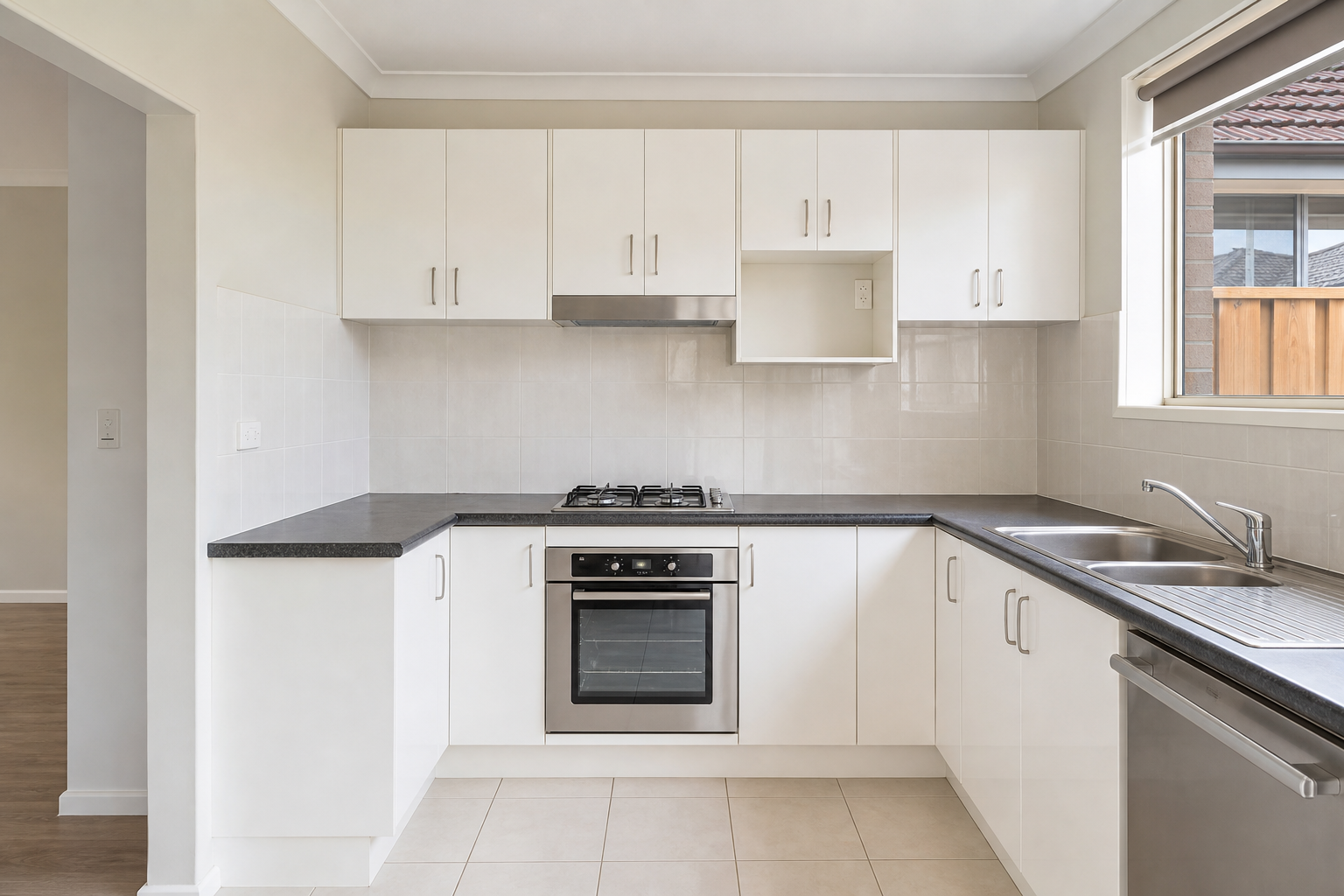
Agents and owners repeatedly inspect the same zones: oven interior and rangehood grease, shower screens and grout discolouration, window tracks, skirting and light switches, carpet stains beyond wear, and garage or patio areas if included in the lease. A vacate clean that shines living room surfaces while leaving oven grease intact fails the practical test even if hours were spent.
End-of-lease work should be scoped against these priorities — informed by common Queensland property manager expectations, not a generic national checklist written for different climate and construction norms.
Entry Condition Reports Are the Baseline
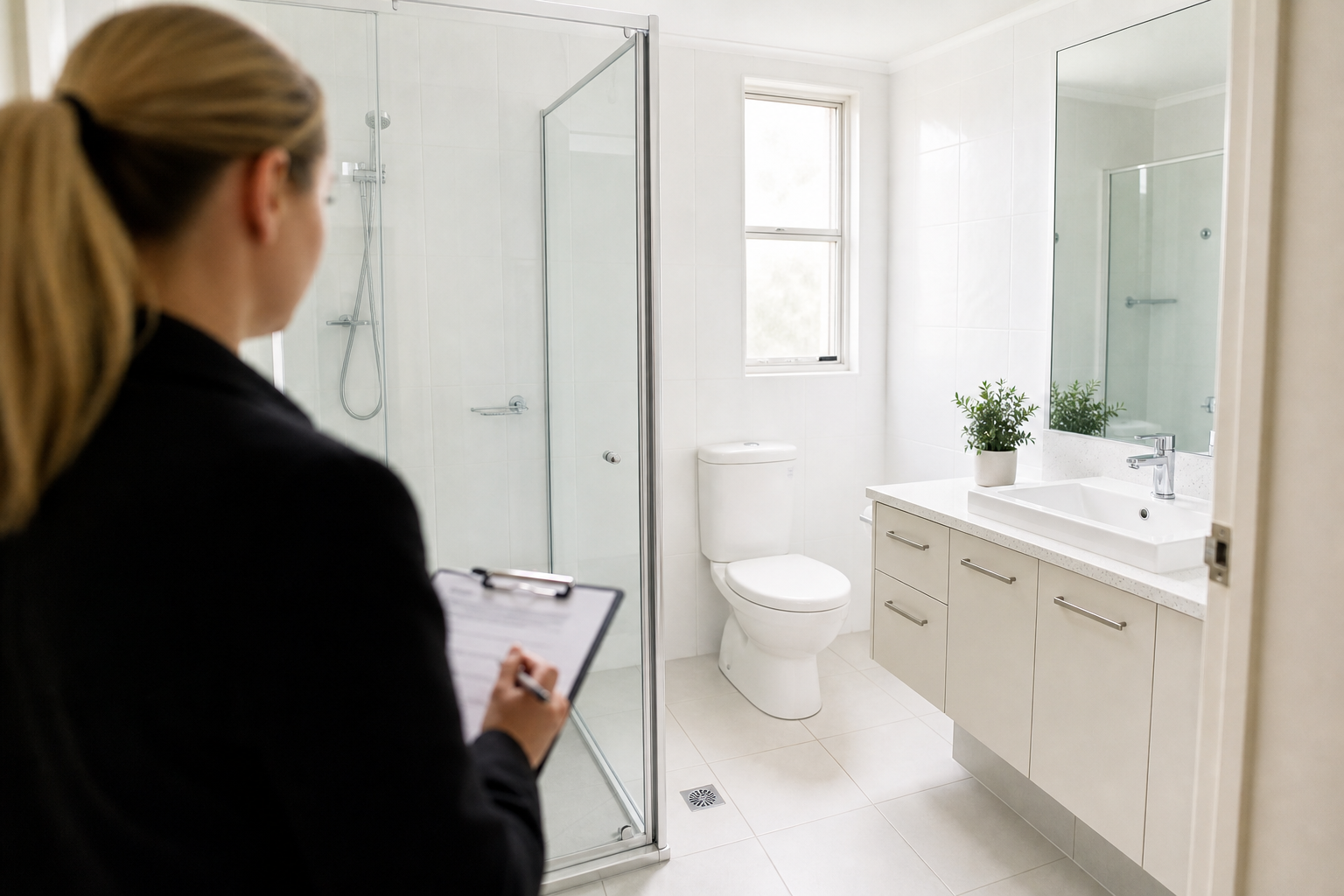
Entry condition reports define fair wear and tear versus tenant-caused marks. Our vacate scope targets restorable surfaces to the standard agreed at quote — oven interior, window tracks, wet areas, and the line items your agent lists in writing.
Photograph the property after cleaning and before handover. Timestamped images narrow disputes when agents claim oven condition differs from what was left. Walk the property with the same eye an inspector uses — bathroom corners, behind toilet pedestals, inside window tracks.
We quote vacate scope against your agent checklist. Bond outcomes depend on property condition and inspection — we deliver agreed scope with documented completion.
Inspection Hotspots
- Oven and rangehood — degrease interior surfaces and filters where accessible; among the most common claim triggers.
- Wet areas — soap scum, mould on silicone, limescale on screens; Queensland bathrooms fail inspections visibly.
- Windows — glass, tracks, and sills; often skipped in quick vacate cleans, often photographed by agents.
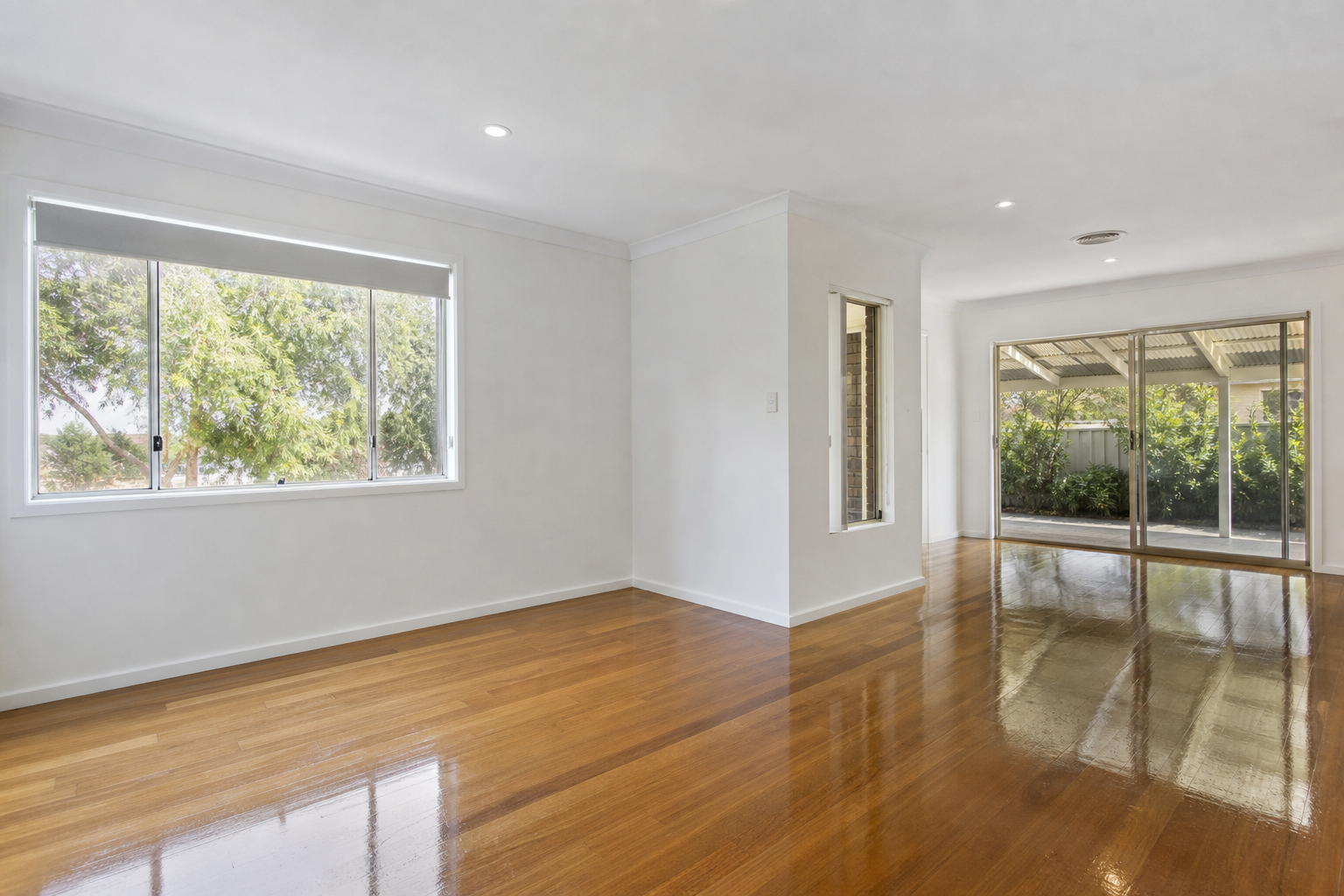
- Floors — vacuum, mop, and spot-treat marks within what cleaning can reasonably achieve.
Timing Relative to Handover
Clean before the final inspection, not after furniture removal if removalists will track dirt through freshly mopped areas. Ideal sequence: remove belongings, clean, photograph, then agent walkthrough. Some tenants clean too early while still occupying — then cook a final meal that retriggers oven and kitchen claims.
Allow drying time for wet areas. Mopping an hour before inspection can leave slip marks agents interpret as incomplete work. Queensland humidity slows drying — plan accordingly.
Shortcuts That Cost Bonds
Ultra-cheap vacate cleans compete by excluding oven interiors, window tracks, and outdoor areas. The quote wins; the bond loses. Itemised inclusions let tenants know whether their quote matches agent expectations or only matches price comparison sites.
Another pattern is treating walls as universally included. Washable mark removal within reason — yes. Repainting scuffs that require trade work — no. Blurring that line sets tenants up for disappointment.
When Professional Clean Beats DIY
DIY vacate cleans fail when tenants underestimate time on ovens and wet areas, or use products that damage surfaces and create new claims. Professional equipment and product knowledge reduce that risk. The calculation is not clean fee versus zero — it is clean fee versus partial bond loss plus a lost weekend.
For landlords between tenancies, the same discipline applies. A vacate clean before re-letting sets the entry report baseline for the next tenant and reduces gap days when properties sit unrentable due to presentation issues.
Practical Advice From the Floor
Share the agent's vacate expectations when requesting a quote. Flag pets, cigarette smoke history, or water stains already known — surprises on inspection day help nobody. Treat bond outcomes as scope alignment problems first, legal problems second.
Dispute Triggers Worth Pre-Empting
Oven grease and rangehood film top the list — tenants often assume wiping the door is sufficient. Shower screen buildup and grout discolouration follow, especially in bathrooms that steamed without ventilation for twelve months. Window tracks and skirting boards separate thorough vacate cleans from quick tidies. Carpet stains and wall marks require honest pre-assessment: some will not lift without specialist treatment beyond standard scope.
Photographing the property after cleaning, while wet areas are still drying, gives tenants evidence if disputes arise. Bond outcomes should reflect work completed, not memory arguments weeks later.